
Reference technology – deliberately not rated
Solr, Elasticsearch, OpenSearch and Vespa are open frameworks, not finished products. What they deliver depends entirely on implementation, configuration and team – so a rating would be misleading.
Why we handle it this way →• Open Source
• Usage-based
Contact the provider for a personalized demo or consultation.
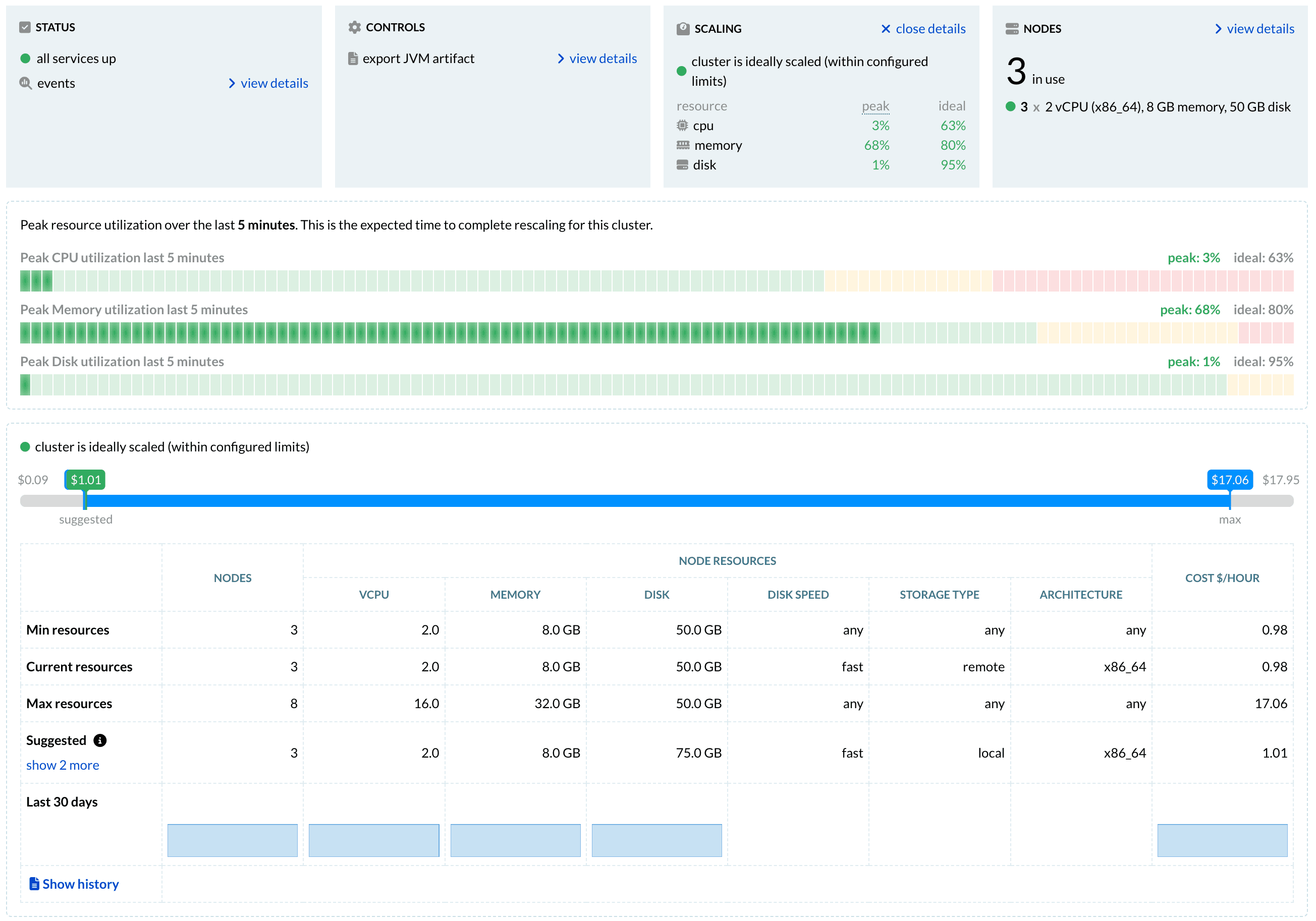
Vespa.ai is an open-source big data serving engine licensed under Apache 2.0, originally developed by Yahoo and released as open source in 2017. It was spun out from Yahoo as an independent company in 2023. Unlike traditional Lucene-based engines such as Elasticsearch or Solr, Vespa executes complex ML models (ONNX, XGBoost, neural networks) directly on the data nodes during the ranking phase, without a network detour to an external service. Typical use cases range from full-text and vector search to recommendation systems and high-traffic personalized feeds, available for self-hosting or as a managed service via Vespa Cloud. It still powers search, recommendations, and ad serving across Yahoo's properties, and is used by companies such as Perplexity, Spotify and Wix.
Vespa is a powerful and versatile search engine, not a ready-made e-commerce search solution. Think of it more like a framework like Elastic or OpenSearch. While it natively handles the integration of ML models, companies must still train their ranking models, define schemas, build their search logic and business user interfaces themselves.
Get access to all criteria reviews, expert opinions, and detailed analyses.
Buy AccessGet access to all criteria reviews, expert opinions, and detailed analyses.
Buy Access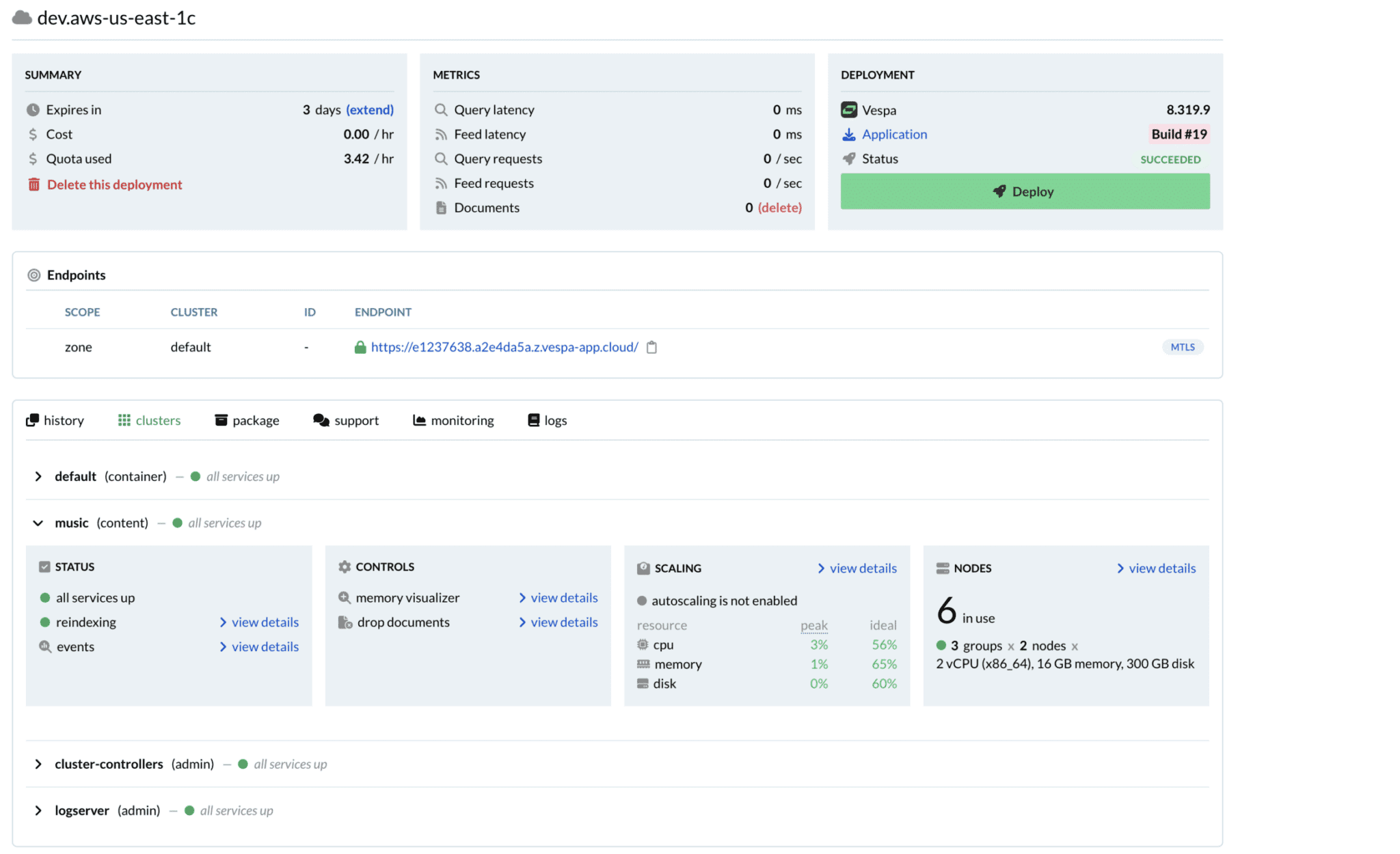
Get access to all criteria reviews, expert opinions, and detailed analyses.
Buy AccessGet access to all criteria reviews, expert opinions, and detailed analyses.
Buy AccessGet access to all criteria reviews, expert opinions, and detailed analyses.
Buy Access
Vespa.ai AS
Norwegen
Employees: 70
• Open Source
• Usage-based
Contact the provider for a personalized demo or consultation.