Reference technology – deliberately not rated
Solr, Elasticsearch, OpenSearch and Vespa are open frameworks, not finished products. What they deliver depends entirely on implementation, configuration and team – so a rating would be misleading.
Why we handle it this way →
• Open Source
Contact the provider for a personalized demo or consultation.
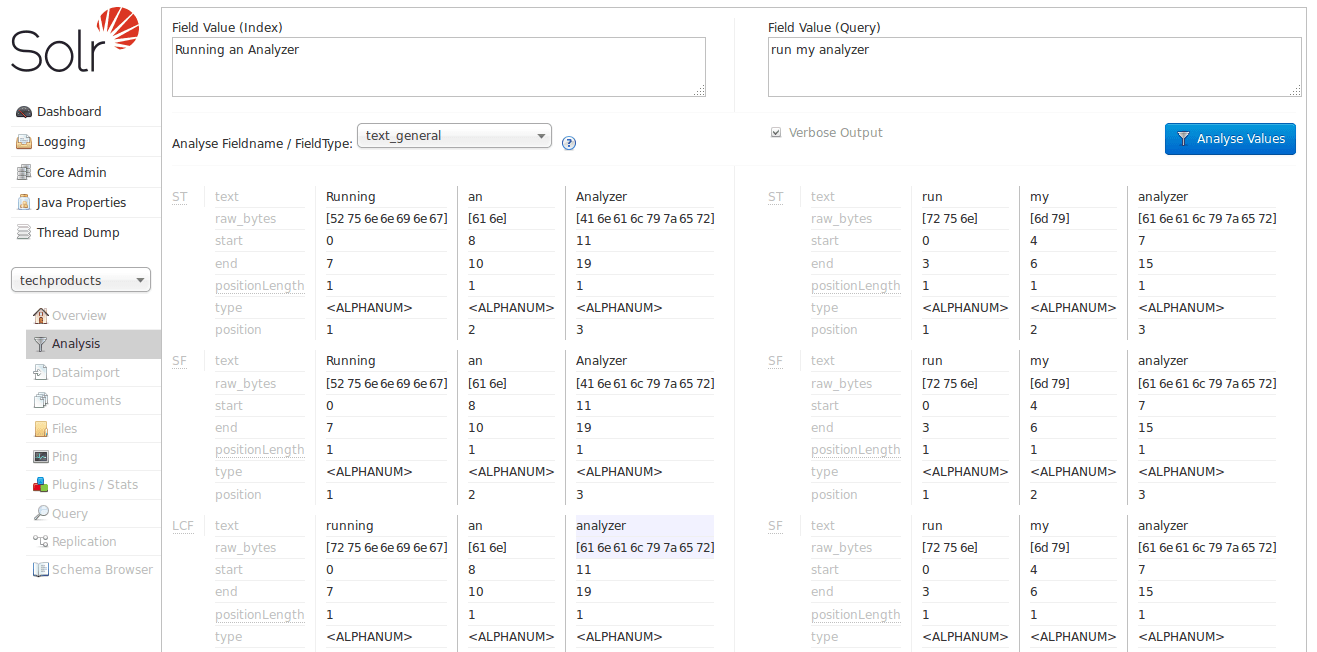
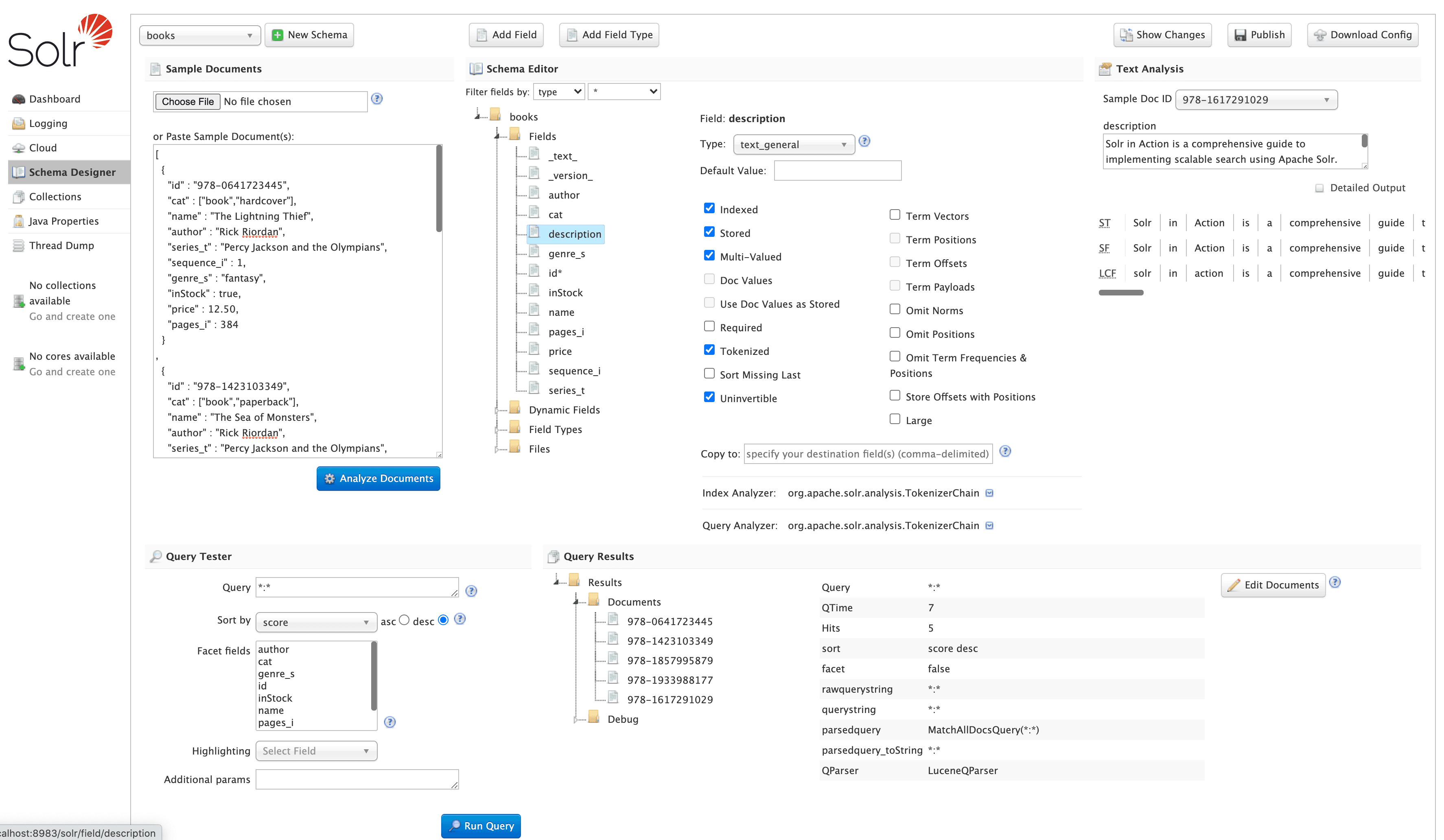
Apache Solr is a mature, open-source search platform built on Apache Lucene, purpose-built for full-text search, faceted navigation, and relevance-controlled information retrieval at scale. It shares its Lucene foundation with Elasticsearch and OpenSearch, and has powered search at some of the world's largest sites, including eBay and, historically, major retailers such as Walmart, Kohl's, and Etsy. Compared with closed-source SaaS products like Algolia or Constructor, Solr is built for organizations that want to run a custom, on-premise, or self-managed search infrastructure without licensing fees. It is known for its stability, strong backward compatibility, and deep configurability.
While Solr's roots are in text search and information retrieval, it has broadened over time to include faceting, analytics, spatial search, and dense vector search. Vector support arrived in Solr 9.0 (2022) and matured substantially in Solr 10 (early 2026), which added vector quantization, an optional GPU codec, and hybrid-retrieval accelerators. Elasticsearch, also built on Lucene, is a direct full-text search competitor as well as a popular log and search-analytics platform.
Get access to all criteria reviews, expert opinions, and detailed analyses.
Buy AccessGet access to all criteria reviews, expert opinions, and detailed analyses.
Buy Access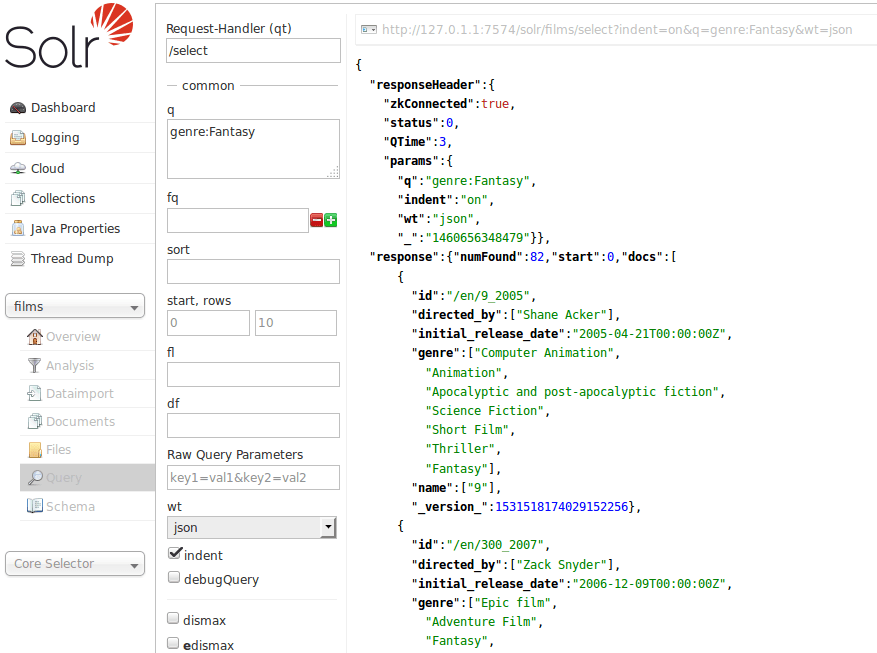
Get access to all criteria reviews, expert opinions, and detailed analyses.
Buy AccessGet access to all criteria reviews, expert opinions, and detailed analyses.
Buy AccessGet access to all criteria reviews, expert opinions, and detailed analyses.
Buy Access
The Apache Software Foundation
Vereinigte Staaten
• Open Source
Contact the provider for a personalized demo or consultation.
by Elastic, Niederlande

by OpenSearch Software Foundation, Vereinigte Staaten

by Vespa.ai AS, Norwegen