Reference technology – deliberately not rated
Solr, Elasticsearch, OpenSearch and Vespa are open frameworks, not finished products. What they deliver depends entirely on implementation, configuration and team – so a rating would be misleading.
Why we handle it this way →• Freemium
• Usage-based
• Open Source
Contact the provider for a personalized demo or consultation.
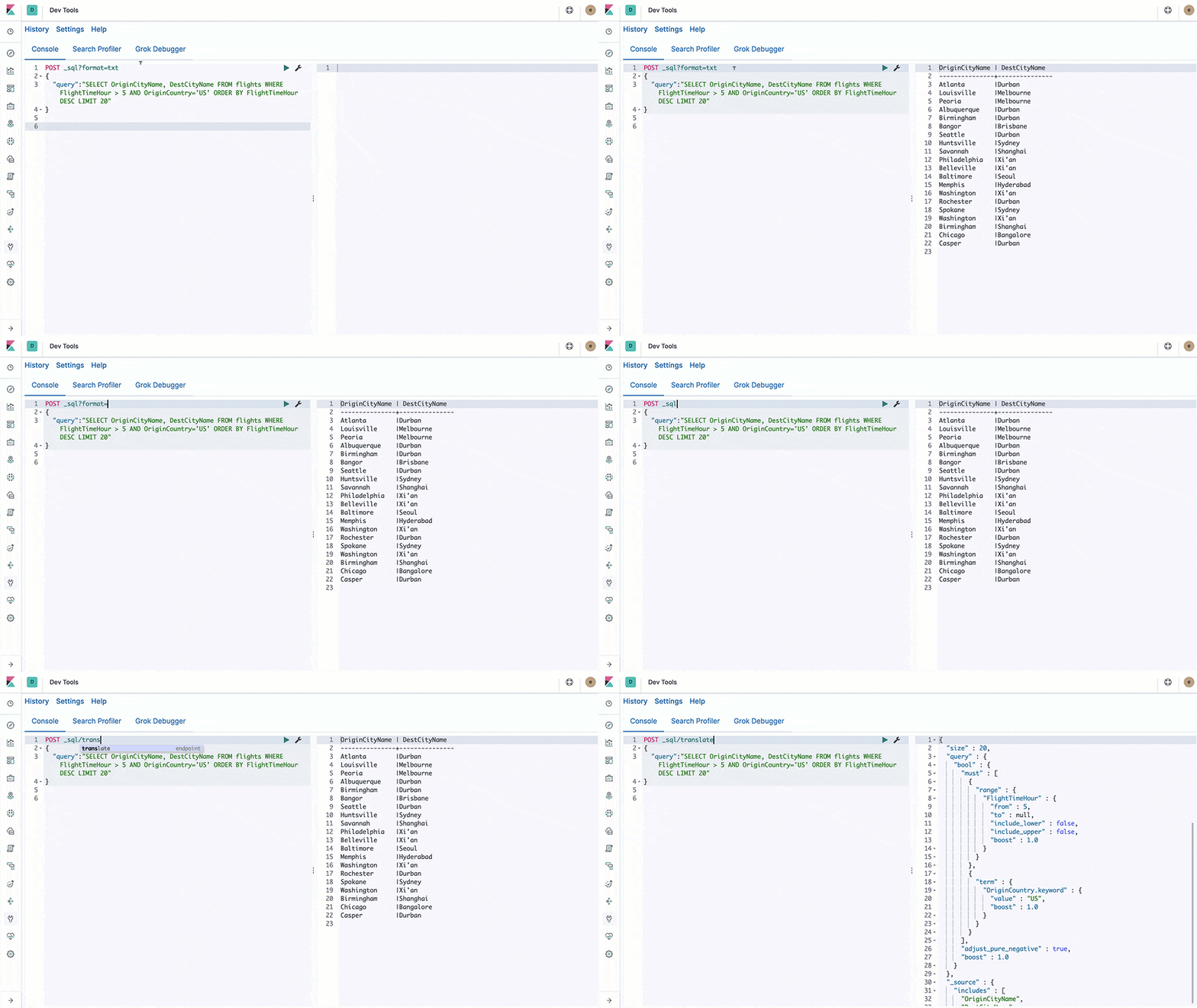
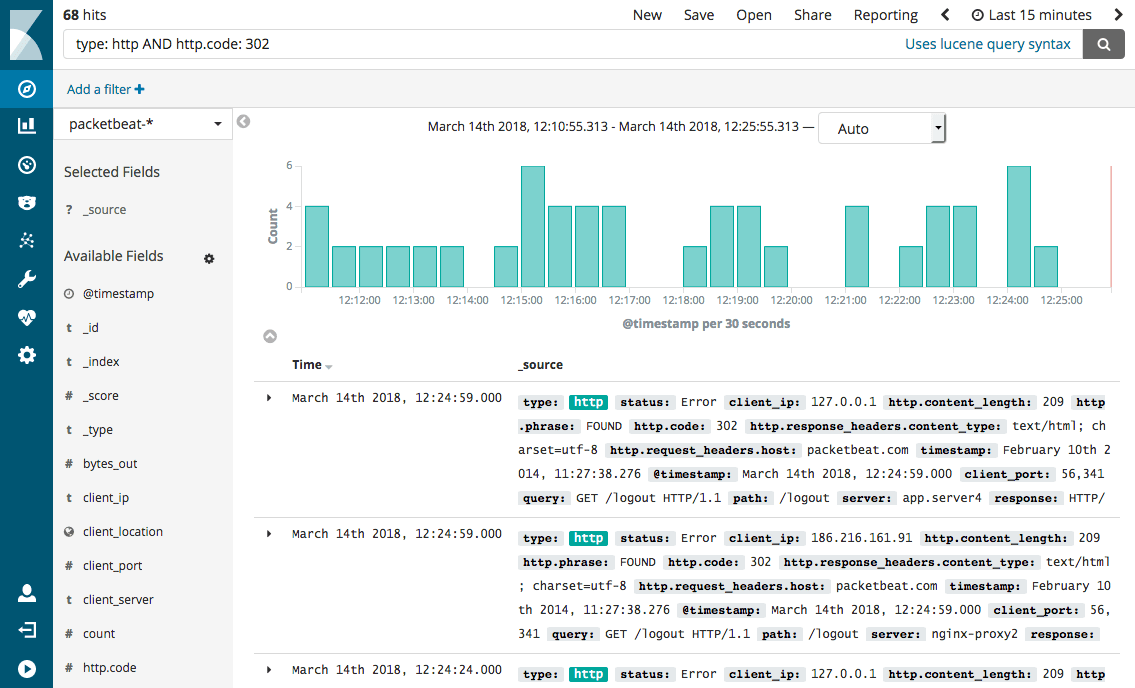
Elasticsearch is a distributed search and analytics engine that, like Solr, is built on Apache Lucene and forms the core of many large search systems. It was developed by Elastic (NYSE: ESTC), founded in Amsterdam in 2012. As the centerpiece of the Elastic Stack, it ranks among the most widely used search technologies in the enterprise space, with several billion downloads, and is known above all for its enormous scalability, letting users search through petabytes of data and billions of documents. Typical use cases range from full-text and semantic vector search to security analytics and system monitoring, available for self-hosting or as a managed service via Elastic Cloud.
A note on licensing: Elasticsearch is not simply "open source." It left Apache 2.0 in 2021 for the SSPL and Elastic License, and since 2024 has been triple-licensed under AGPLv3 (OSI-approved), SSPL, and the Elastic License, with users choosing which terms to apply. The default binary distributions and premium features remain under the Elastic License. For teams embedding Elasticsearch as a backend in their own application, this carries effectively no licensing risk; offering it as a managed service warrants legal review.
Elasticsearch is an infrastructure solution, not a ready-made e-commerce search product. It requires significant development work for product search, query understanding, and merchandising.
Get access to all criteria reviews, expert opinions, and detailed analyses.
Buy AccessGet access to all criteria reviews, expert opinions, and detailed analyses.
Buy Access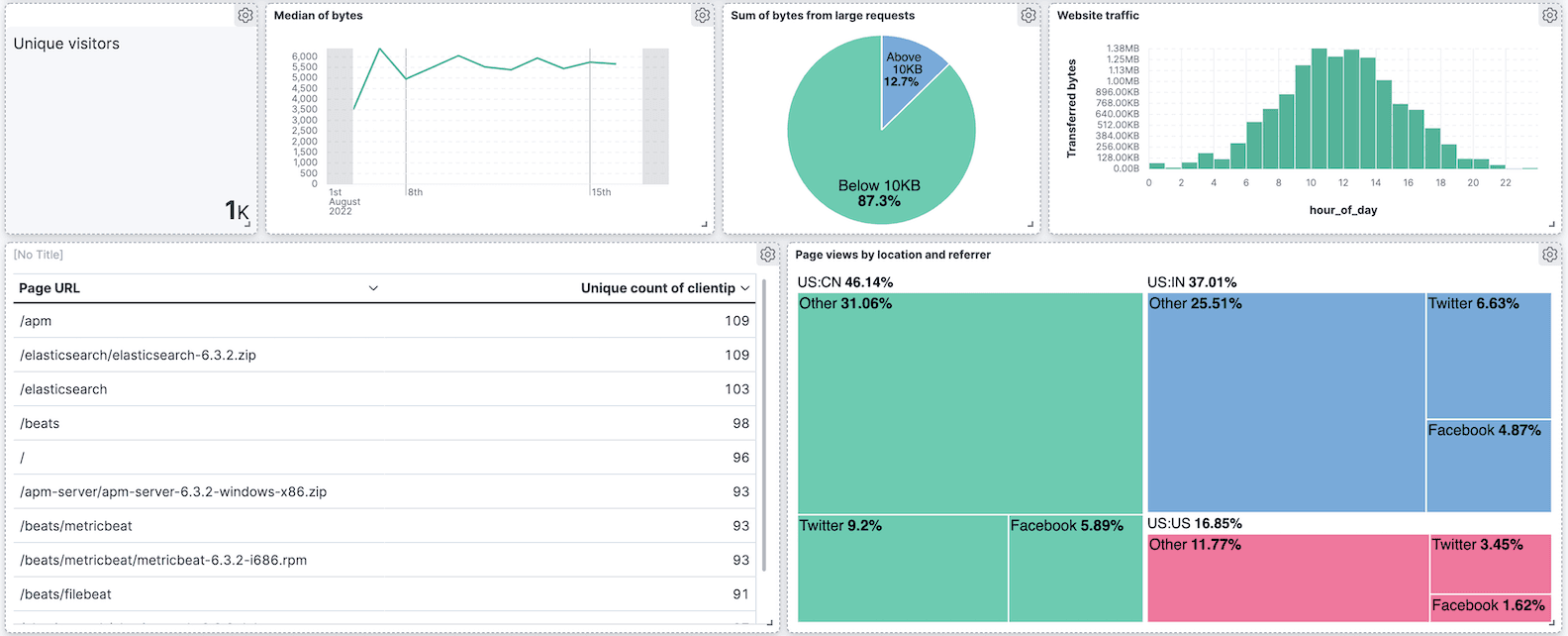
Get access to all criteria reviews, expert opinions, and detailed analyses.
Buy AccessGet access to all criteria reviews, expert opinions, and detailed analyses.
Buy AccessGet access to all criteria reviews, expert opinions, and detailed analyses.
Buy Access
Elastic
Niederlande
Employees: 4000
• Freemium
• Usage-based
• Open Source
Contact the provider for a personalized demo or consultation.
by OpenSearch Software Foundation, Vereinigte Staaten

by The Apache Software Foundation, Vereinigte Staaten

by Vespa.ai AS, Norwegen